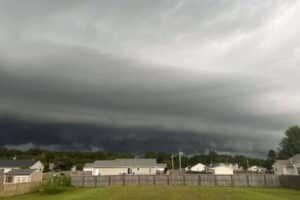
Jacksonville doesn’t get talked about the same way Miami or Tampa does when hurricane season rolls around. And honestly, that’s part of the problem. Northeast Florida homeowners sometimes treat storm prep as something that applies to people further south — right up until a storm tracks up the coast and reminds everyone that Jacksonville is absolutely in play.
Matthew in 2016. Irma in 2017. Dorian in 2019. Ian’s remnants in 2022. These weren’t near misses for Jacksonville — they were real events that caused real damage to real homes. St. Johns County flooding. Downed trees throughout the Westside. Roof damage in Ponte Vedra and Atlantic Beach. Power outages lasting days to weeks in neighborhoods across Duval and St. Johns counties.
The homeowners who came through those storms with minimal damage weren’t lucky. They were prepared. Their roofs had been inspected. Their trees were trimmed. Their generators worked. Their storm supplies were stocked before the shelves emptied.
This checklist is built specifically for Jacksonville and Northeast Florida. The timing, the tasks, and the reasoning are based on this area’s specific storm history and housing stock — not a generic national template. Start in April. Don’t wait until June 1st.
Start in April: Why Early Preparation Matters
Hurricane season runs June 1st through November 30th. But if you wait until June to start preparing, you’ve already lost. Here’s the reality of waiting too long in Jacksonville.
Roofing contractors book up in May. By June, the reputable ones are scheduling weeks out. If your roof has a developing issue that needs attention before storm season, April gives you time to get it assessed and repaired properly. May is tight. June is a gamble.
Generators sell out. Every year, the same pattern plays out. A storm appears on the forecast track, and within 48 hours every generator within 200 miles is sold. If you’re buying in April, you have options and time to get it installed properly. If you’re buying in August when a storm is approaching, you’re competing with thousands of other households for whatever’s left.
Storm shutters and hurricane fabric take time to install correctly the first time. Knowing which panel goes on which window, practicing the installation, confirming all the hardware is present — that’s not something to figure out at 10pm with a storm 36 hours out.
Start in April. The checklist below is organized by category, not by month, so you can work through it systematically.
Roof and Exterior Structure
Your roof is the most critical element of hurricane protection. A compromised roof doesn’t just let water in — in extreme wind events it can fail structurally and remove the protection from everything inside.
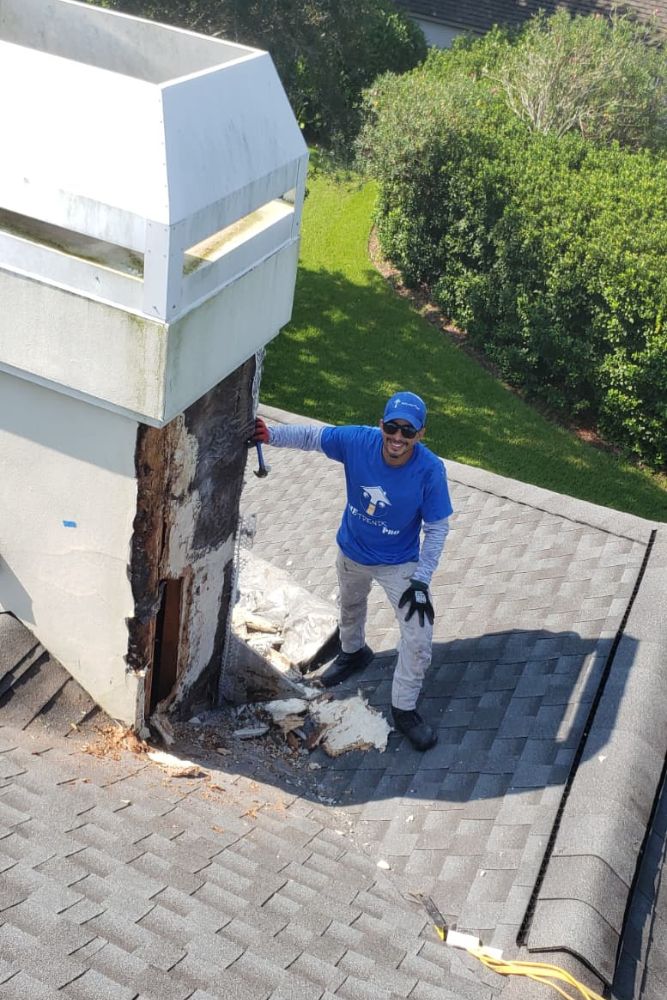
Schedule a Professional Roof Inspection
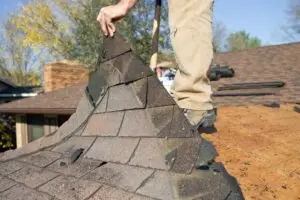
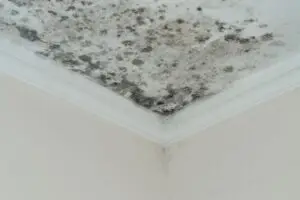
This is the most important item on this entire list. A professional inspection identifies lifted flashing, damaged shingles, compromised ridge cap, and any other weak points before a storm exploits them. The cost of a pre-season inspection is a fraction of a post-storm repair, and far less than a water damage and mold remediation job.
Our home health assessment covers the roof as part of a full system inspection with documented condition photos and written findings. If something needs attention before storm season, you’ll know about it with enough time to address it properly.
Check and Repair All Flashing
Flashing around chimneys, skylights, vent pipes, and roof-to-wall transitions is where water gets in during heavy rain events. Dried-out caulk, lifted metal, and separated seams are all vulnerabilities. Have these addressed before June.
Inspect Soffits and Fascia
Wind-driven rain gets into soffits that have holes, rot, or loose sections. Walk the perimeter of your home and look up at the soffit and fascia. Any rot, holes, or sections that have pulled away from the structure need to be repaired. These are also common entry points for pests and water intrusion independent of storms.
Check Your Garage Door Wind Rating
Garage doors are one of the weakest points in most homes during high wind events. Florida building codes require wind-rated doors in newer construction, but many older Jacksonville homes have doors that don’t meet current standards. Check the label on your garage door for its wind rating. If it doesn’t meet the requirements for your wind zone, a horizontal bracing kit is a relatively inexpensive upgrade. Full replacement is the better long-term solution.
Inspect Foundation and Exterior Walls
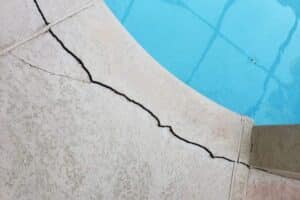
Check for cracks in the foundation, gaps where utilities enter the home, and any areas where the exterior cladding or stucco has cracked or pulled away. Water finds every opening during a significant storm event. Seal any gaps with appropriate exterior-grade caulk or patching compound before storm season.
Windows, Doors, and Storm Protection
Impact-resistant windows and doors or proper storm shutters are the standard for hurricane protection in Florida. If your home doesn’t have impact glass, storm shutters or hurricane fabric are your primary line of defense.
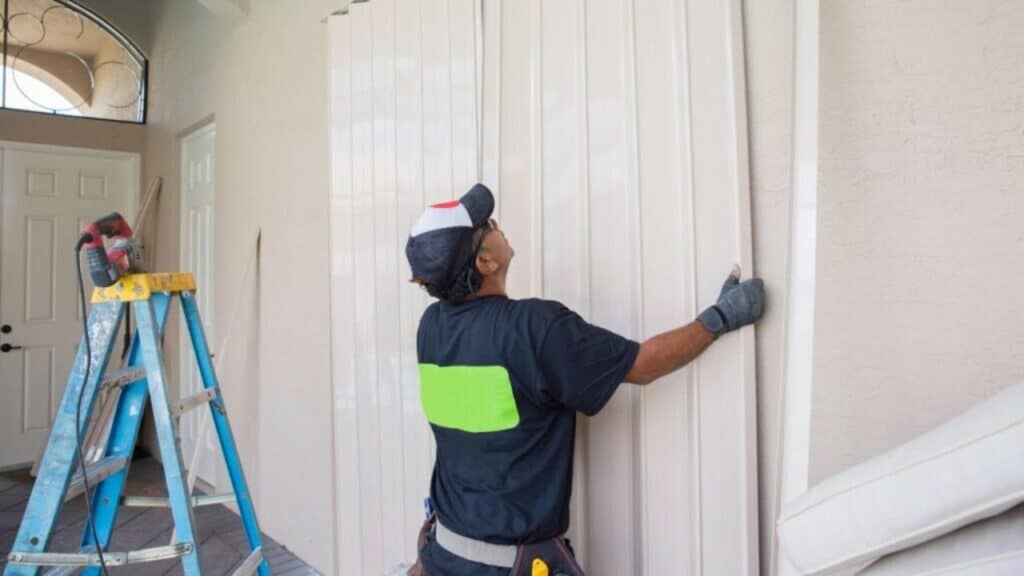
Inventory Your Storm Shutters or Hurricane Fabric
Pull everything out. Confirm all panels are accounted for, labeled by opening, and in good condition. Check that mounting hardware hasn’t corroded. Replace any missing or damaged components now, not when a storm is on the forecast.
Practice installing at least two or three panels or sections. Doing it in good weather in April is a completely different experience from doing it in the rain at night with a storm approaching. Know your system before you need it.
Check Window and Door Seals
Even with storm shutters, failed seals around windows and doors allow water intrusion during wind-driven rain events. Inspect all exterior window and door caulking. Replace any sections that are cracked, shrinking, or missing. This is a straightforward DIY task that makes a meaningful difference.
Consider Impact Window Upgrades
If you’re replacing windows anyway, impact-resistant windows eliminate the annual shutter installation task and provide year-round protection. They also typically reduce homeowner’s insurance premiums in Florida. Get quotes in April or May before contractor schedules fill.
Secure Sliding Glass Doors
Sliding glass doors are particularly vulnerable to wind pressure. Confirm the door locks securely and that the track is in good condition. A security bar in the track provides additional resistance to wind pressure forcing the door open. If the door frame or track is deteriorated, address it before storm season.
Trees, Landscaping, and Outdoor Items
In a wind event, anything loose in your yard becomes a projectile. This section of prep is straightforward but genuinely important.
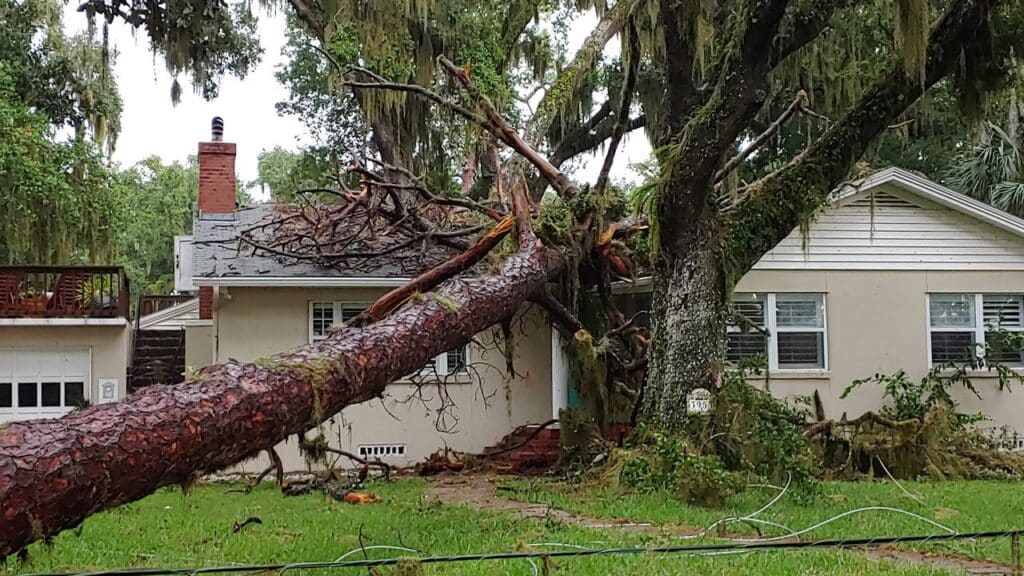
Have Significant Trees Professionally Evaluated
Jacksonville’s tree canopy is beautiful and it’s a liability during storms. Large oaks and pines near the home should be evaluated by a certified arborist before storm season. Dead branches, trees with root issues, and trees leaning toward the house are all concerns. Have problem trees addressed in April or May — arborists book up fast before storm season just like roofers do.
Trim All Overhanging Branches
Branches that hang over the roof or within striking distance of the home should be trimmed back at least eight to ten feet. In a 70 mph wind event, a branch you thought was too small to matter can cause significant roof damage.
Secure or Store Outdoor Furniture and Equipment
When a storm is approaching, everything that isn’t anchored needs to come inside or be secured. Patio furniture, grills, planters, lawn equipment, trampolines, and decorative items all become dangerous projectiles in high winds. Have a plan for where each item goes before storm season — don’t figure it out in the 24 hours before a storm arrives.
Check Fence Condition
A fence that fails in a wind event takes sections with it, sometimes into the home or a neighbor’s property. Check posts for rot at the ground line, confirm all panels are securely attached, and repair or reinforce any sections that are compromised.
Generator and Power Preparedness
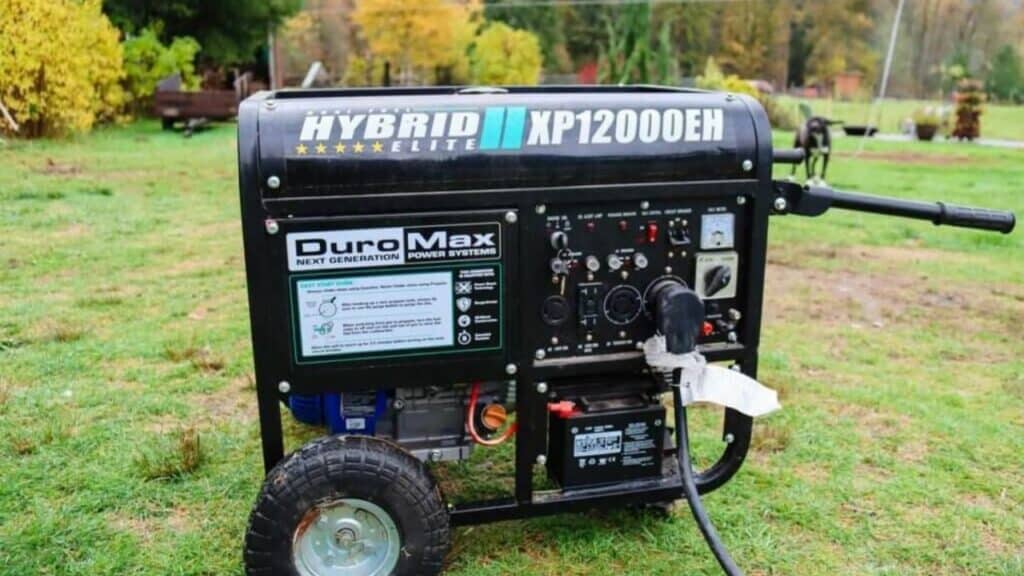
Power outages after major storms in Jacksonville have lasted days to weeks in some neighborhoods. A generator is not a luxury in this climate.
Test Your Generator Now
If you have a generator, run it under load for at least 30 minutes in April. Change the oil if it’s been more than a year. Check the fuel supply. Confirm it starts reliably and produces stable power. A generator that fails to start when you actually need it is worse than not having one — at least without one you make alternative plans.
Determine Your Power Priorities
Most portable generators can’t power an entire home. Know what you need most: the refrigerator, a window AC unit for sleeping, medical equipment, phone charging. Have the right extension cords and know which circuits matter. If you want whole-home backup, a standby generator with automatic transfer switch is the solution — get quotes in April before contractor schedules fill.
Fuel Storage Safety
Store gasoline in approved containers in a detached garage or shed, away from the home’s living areas. Rotate stored fuel by using it in lawn equipment and replacing it. Fuel stabilizer extends storage life significantly. Never run a generator inside the home, in the garage, or near any open window or door — carbon monoxide poisoning is a real and preventable risk.
Consider a Transfer Switch
Running a generator through extension cords works but is inconvenient and limits what you can power. A transfer switch allows the generator to connect to your home’s electrical panel safely. This is an electrician installation job — schedule it in April or May.
Emergency Supplies and Documentation
Physical preparedness for your home means nothing if your family isn’t prepared to shelter safely or evacuate efficiently.
Build or Update Your Hurricane Supply Kit
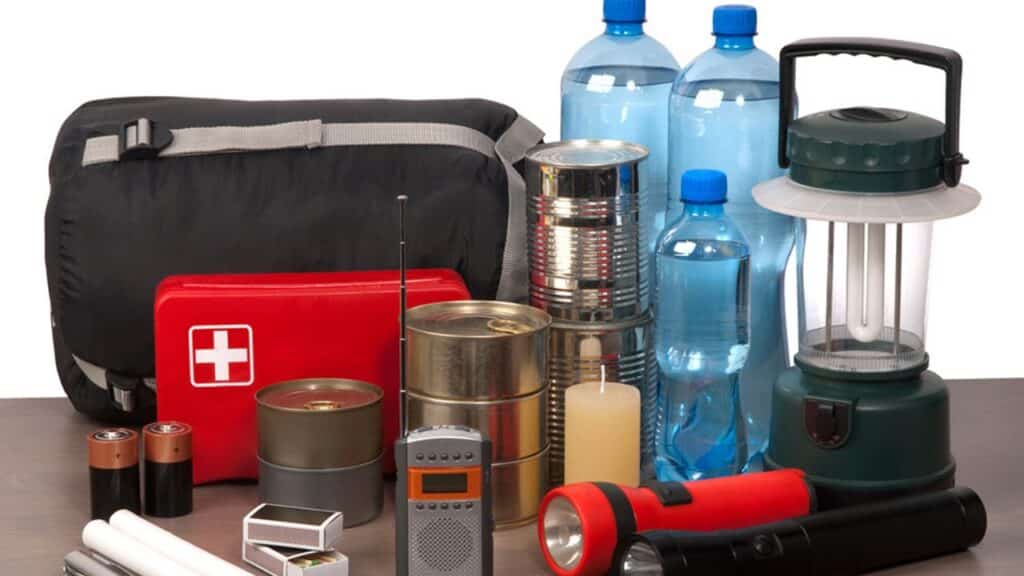
The standard recommendation is supplies for seven days minimum. For Jacksonville homeowners, given the potential for extended power outages after a major storm, ten to fourteen days is more realistic. Your kit should include:
One gallon of water per person per day for the full supply period. Non-perishable food that doesn’t require cooking or refrigeration. A manual can opener. Prescription medications with at least a two-week supply buffer. Battery-powered or hand-crank radio. Flashlights and extra batteries. First aid kit. Cash in small bills — ATMs and card readers don’t work without power. Phone chargers and a portable battery bank. Important documents in a waterproof container.
Assemble Your Document Kit
Insurance policies and contact numbers. Home inventory documentation (video walkthrough of every room and its contents). Birth certificates, passports, and social security cards. Property deed and mortgage documents. Medical records and prescriptions. Bank account and financial account information. Store digital copies in cloud storage accessible from your phone.
Know Your Evacuation Zone
Jacksonville uses an A through F evacuation zone system. Zone A is the highest risk — low-lying coastal and riverside areas. Know your zone. Know your evacuation route. Know where your designated shelter is. Make this decision before a storm is on the forecast, not after mandatory evacuation orders are issued.
Plan for Pets
Not all emergency shelters accept pets. Know which Jacksonville-area shelters are pet-friendly. Have carriers, food, medications, and records for each pet ready to go. This is something most people think about 12 hours before evacuation when it should be figured out in April.
After the Storm: What to Do First
Storm preparation doesn’t end when the storm passes. What you do in the first 24 to 48 hours after a storm matters significantly for your home’s condition and any insurance claims.
Document Everything Before Cleanup
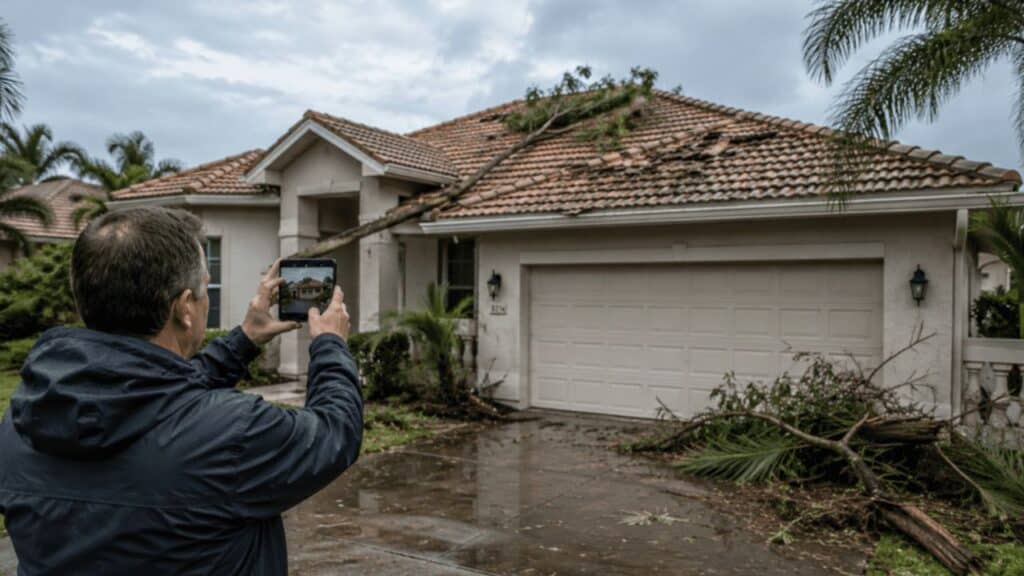
Before you move anything, photograph and video all damage — exterior and interior. Walk the full perimeter. Check the roof from the ground. Document every damaged item, every water stain, every structural concern. This documentation is your evidence for an insurance claim. Cleaning up before documenting is one of the most costly mistakes homeowners make post-storm.
Check for Immediate Safety Hazards
Downed power lines — stay away and call JEA immediately. Gas smell — leave the home, don’t use switches or phones inside, call Florida City Gas or 911 from outside. Structural damage that makes the home unsafe to occupy — leave and contact your insurance company before re-entering.
Temporary Repairs to Prevent Further Damage
If you have roof damage, use tarps to cover exposed areas before the next rain. Document the damage first, then protect it. Keep receipts for all emergency materials — these are typically reimbursable through your insurance claim.
Contact Your Insurance Company Promptly
Florida has specific deadlines for storm damage claims. Contact your insurer as soon as possible after the storm, even if you’re not certain of the full extent of damage. Early notification protects your claim timeline. Be wary of contractors who appear immediately after storms offering quick repairs — get your insurance adjuster involved before signing any repair contracts.
Schedule a Professional Post-Storm Assessment
What’s visible from the ground after a storm often represents a fraction of the actual damage. A professional assessment documents everything — including roof damage, moisture intrusion, and structural concerns — that won’t be obvious until the next significant rain. This documentation supports your insurance claim and ensures developing problems are caught before they become bigger ones.
How HomeTrends Pro Helps With Hurricane Preparedness
Hurricane prep for your home isn’t a one-time checklist. It’s an annual cycle that starts with knowing your home’s current condition and ends with documented post-storm assessment.
HomeTrends Pro members get maintenance reminders that include hurricane season prep tasks timed to Jacksonville’s calendar — roof inspection scheduling in April, supply kit review in May, post-storm check protocols after each significant event. Plus and Premium members have vendor coordination included, which means when it’s time to schedule the pre-season roof inspection or the tree evaluation, we handle the scheduling and follow-up.
After a storm, Premium members have emergency response coordination included — we help document damage, coordinate emergency vendors, and ensure findings are properly documented for insurance purposes.
If you want a current assessment of your home’s storm readiness, start with a home health assessment. Or review our membership plans to see how ongoing home health management works for Jacksonville homeowners.
Frequently Asked Questions About Hurricane Prep in Jacksonville
Is Jacksonville really at risk for hurricane damage?
Yes. Northeast Florida has historically been considered lower risk than South Florida, but that framing has led to complacency that costs homeowners significantly. Matthew, Irma, and Dorian all caused meaningful damage in Jacksonville and surrounding areas. The St. Johns River flooding during Irma was among the worst in the city’s history. Treat storm prep seriously every year.
What’s the most important thing I can do before hurricane season in Jacksonville?
Get a professional roof inspection. The roof is your home’s primary protection. An undiscovered vulnerability — failed flashing, lifted shingles, compromised ridge cap — can turn a manageable storm event into a catastrophic water damage situation. Do this in April before contractors are fully booked.
How much does hurricane prep typically cost for a Jacksonville homeowner?
Routine annual prep — roof inspection, tree trimming, supply kit refresh, generator service — typically runs $500 to $1,500 depending on your home and what needs attention. If you’re adding storm shutters, upgrading a garage door, or installing a generator for the first time, costs are higher but those are one-time investments. Compare any of those numbers to post-storm repair costs and the math is straightforward.
Should I evacuate or shelter in place during a hurricane?
Follow official guidance from Duval County Emergency Management. If you’re in an evacuation zone and an order is issued, evacuate. Don’t make this decision based on how past storms have tracked — storm paths are unpredictable and conditions can change rapidly. Having your supplies and documents ready makes evacuation faster and less stressful.
Does flood insurance cover hurricane storm surge in Jacksonville?
Standard homeowner’s insurance does not cover flooding, including storm surge. Separate flood insurance through the National Flood Insurance Program or a private carrier is required for flood coverage. Given Jacksonville’s geography — the St. Johns River, multiple tidal creeks, and coastal exposure — flood insurance is worth serious consideration for many homeowners here, not just those in designated flood zones.
How long should my hurricane supply kit last?
Plan for a minimum of seven days, ideally ten to fourteen for Jacksonville given the potential for extended power outages after a significant storm. After Irma, some Jacksonville neighborhoods were without power for ten days or more. Plan accordingly rather than assuming restoration will be quick.
What should I do if a contractor approaches me immediately after a storm offering repairs?
Be cautious. Post-storm contractor fraud is a documented and recurring problem in Florida after major weather events. Get your insurance adjuster involved before signing any repair contracts. Get multiple quotes from licensed, established contractors. Don’t sign any document that assigns your insurance benefits to a contractor without fully understanding what you’re signing. Florida law has specific rules around assignment of benefits — know your rights.
Prepared Homes Come Through Storms. Unprepared Ones Don’t.
That’s not a scare tactic — it’s what the damage reports from every major storm event in Jacksonville confirm. The homes that sustained the most damage had deferred maintenance, uninspected roofs, and no storm protection in place. The homes that came through with minimal damage were prepared.
You don’t need to do everything on this list in a single weekend. Start in April. Work through it systematically. Get the roof inspected first, then the trees, then the shutters, then the supplies. By June 1st you’ll be ahead of the vast majority of Jacksonville homeowners.
If you want help getting your home assessed and a clear picture of what needs attention before storm season, call us at (904) 441-1777 or book a free consultation online. We serve Jacksonville and surrounding areas including Atlantic Beach, Neptune Beach, Ponte Vedra Beach, Riverside, San Marco, Mandarin, Southside, St. Johns County, and more.