Nobody wants to talk about mold. It’s one of those home problems that feels embarrassing somehow, like it only happens to people who don’t take care of their homes. But here’s the reality: Jacksonville’s climate practically invites mold into your house. High humidity, warm temperatures year-round, frequent rain, and homes that are sealed tight for air conditioning efficiency — that’s the exact combination mold thrives in.
We find evidence of moisture intrusion or early mold growth in a significant portion of the Jacksonville homes we assess. Not because the homeowners are negligent. Because this is Florida, and Florida is genuinely one of the most mold-prone environments in the country. The St. Johns River basin, the Atlantic coast humidity, the afternoon thunderstorms from June through September — it all adds up.
The good news is that mold is largely preventable when you know where to look and what conditions to control. And when it does show up, catching it early is the difference between a few hundred dollars and a remediation bill that can run well into the thousands.
This guide covers what causes mold in Jacksonville homes, where it hides, what a proper inspection looks for, how to prevent it, and what to do if you find it.
Why Jacksonville Homes Are Especially Vulnerable to Mold
Mold needs three things to grow: moisture, a food source (organic material like wood, drywall, or insulation), and the right temperature. Jacksonville delivers two of those three in abundance. The average relative humidity here stays above 70% for most of the year, and temperatures rarely drop low enough to slow mold growth for long.
The Humidity Factor
Most mold species grow comfortably at relative humidity above 60%. Jacksonville frequently sits above that threshold, especially in the summer months when afternoon humidity regularly hits 80 to 90%. Indoor humidity levels in homes without properly functioning dehumidification — or with AC systems that are undersized or aging — often mirror outdoor conditions more than homeowners realize.

A common scenario we see: an older HVAC system that’s been running for 12 to 15 years. It still cools the air to a comfortable temperature, so the homeowner assumes it’s working fine. But it’s no longer removing moisture effectively. The indoor humidity creeps up into the 65 to 70% range, and over months and years, mold begins establishing itself in the attic, behind bathroom walls, and under bathroom flooring — all the places you don’t look regularly.
Construction Characteristics of Jacksonville Homes
Many Jacksonville homes built before the mid-1990s were constructed with materials and techniques that weren’t designed with Florida’s humidity in mind. Vapor barriers were often inadequate or improperly installed. Crawl space ventilation in older homes frequently doesn’t meet current standards. Attic insulation in some older homes sits directly on the ceiling drywall without proper air sealing, creating conditions where warm humid air meets a cooler surface and condenses.
Newer construction isn’t automatically safe either. Tight building envelopes trap moisture if ventilation isn’t adequate. We’ve assessed homes in Nocatee and Southside that were just five to eight years old with early mold growth in the attic because the ridge and soffit ventilation wasn’t balanced correctly during construction.
Storm Damage and Slow Leaks
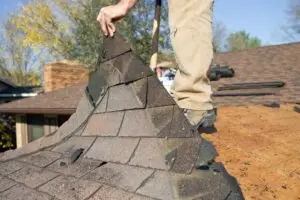
Jacksonville gets regular tropical storms, and even moderate rain events can push water into homes through compromised roof flashing, window seals, or foundation gaps. The problem is that storm-related water intrusion often doesn’t show up immediately as an obvious leak. Water gets into a wall cavity, the exterior dries out, and nobody realizes moisture has been sitting inside the wall for weeks. By the time you see a stain or smell something musty, mold has been growing for a while.
Where Mold Hides in Jacksonville Homes
Mold grows where moisture accumulates and air circulation is poor. In our experience assessing homes across Jacksonville, these are the areas that show up most consistently.
Attic Spaces
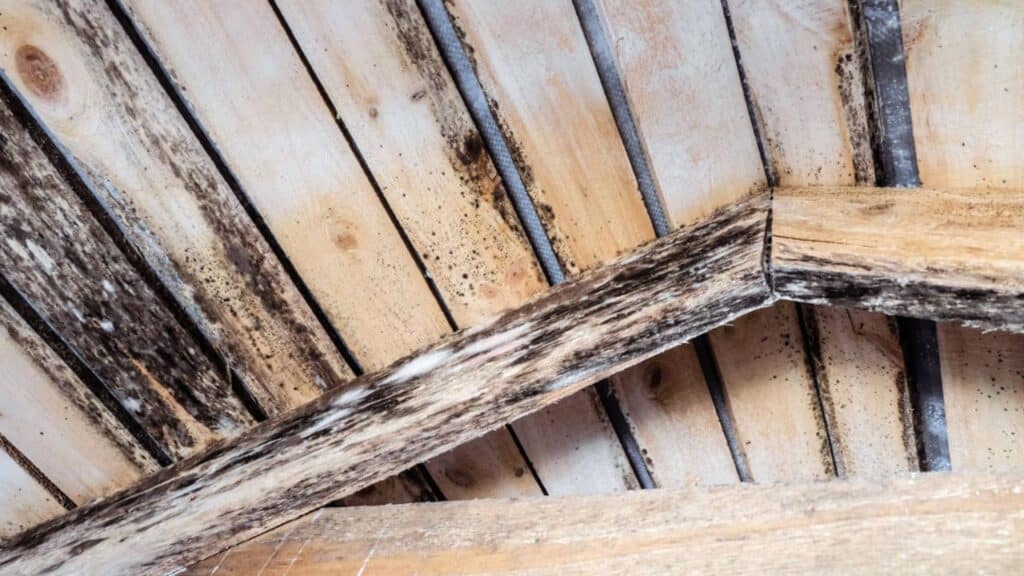
Attic mold is probably the most common finding we document, and it’s the one that surprises homeowners most. They haven’t been up there in years. Inadequate ventilation, bathroom exhaust fans venting into the attic instead of outside, or roof leaks that go undetected all create conditions for mold growth on the roof decking and rafters. Attic mold doesn’t always affect air quality in the living space immediately, but it deteriorates structural wood and eventually can.
Bathrooms and Under Sinks
Shower areas with inadequate ventilation, slow drips under sink plumbing, and the gap between the tub and the wall where caulking has failed are all classic mold locations. Tile looks solid from the surface, but if the caulk or grout has cracked and moisture has been getting behind it, the drywall and sometimes the subfloor beneath are affected.
HVAC Systems and Ductwork
Air conditioning systems that aren’t maintained collect moisture. The condensate drain line can clog and back up, causing water to overflow into the air handler cabinet and surrounding area. Ductwork that runs through unconditioned spaces like attics or crawl spaces can sweat condensation on the exterior, and if the insulation wrapping the duct is compromised, moisture accumulates. Mold in ductwork is particularly problematic because the system actively distributes spores throughout the home every time it runs.
Crawl Spaces
Older Jacksonville homes with crawl spaces are especially vulnerable. Ground moisture vapor rises into the crawl space, and without an adequate vapor barrier and proper ventilation, it condenses on the floor joists and subfloor. We commonly find significant mold growth in crawl spaces that the homeowner has never looked at. Out of sight, out of mind — until the subfloor starts to soften or the musty smell works its way into the living area.
Around Windows and Sliding Doors
Window seals fail over time. Sliding glass door frames collect condensation. In Jacksonville’s climate, these are regular moisture intrusion points, especially on east and north-facing walls that don’t dry out as quickly. Check the drywall directly below windows and along the bottom of sliding door frames for staining or soft spots.
Laundry Rooms
Dryer vents that are clogged or disconnected dump humid air directly into the wall cavity or laundry room. Washing machine hoses that have slow drips behind the machine go unnoticed for months. Front-loading washing machines that aren’t left open between uses build up moisture in the door seal. These are small things individually, but in Jacksonville’s baseline humidity, they’re enough to start a mold problem.
What a Mold Inspection Actually Involves
There’s a difference between a visual check and a proper mold inspection. A visual check finds visible growth and obvious moisture sources. A thorough inspection goes further.
Visual Assessment
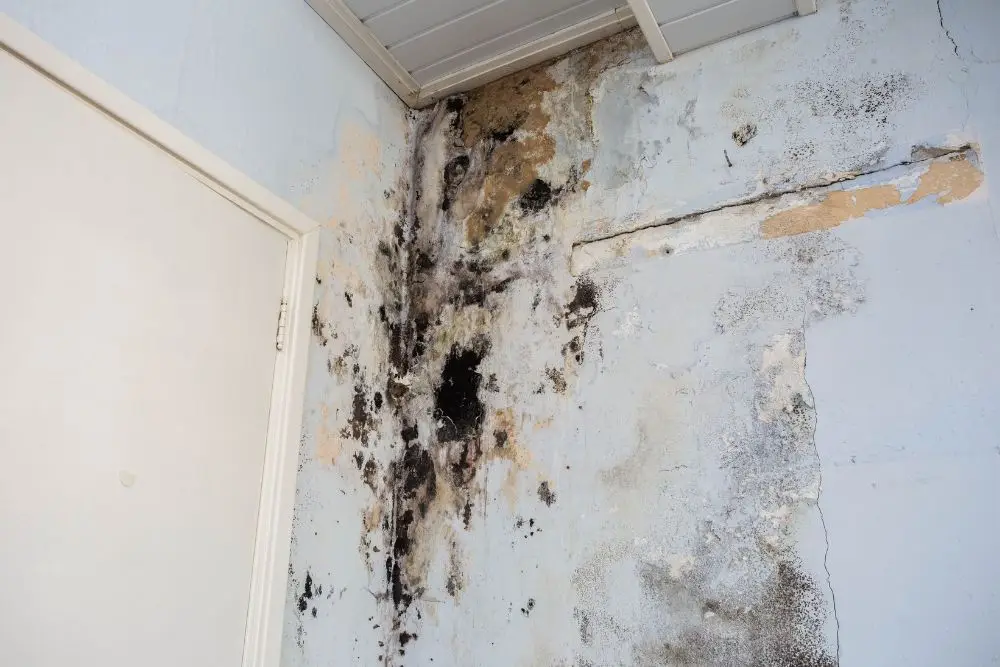
The inspection starts with a systematic visual review of all the areas listed above — attic, crawl space if present, bathrooms, HVAC system, laundry room, basement if applicable, and anywhere there’s a known or suspected moisture source. We’re looking for visible mold growth, staining, discoloration, and physical evidence of moisture like efflorescence on concrete, water lines on drywall, or soft spots in flooring.
Moisture Meter Readings
A moisture meter measures moisture content in building materials. Normal wood framing reads below 16 to 19%. Anything above that is elevated and indicates conditions that support mold growth even if visible growth hasn’t appeared yet. Moisture meters are particularly useful for checking inside wall cavities near plumbing, around windows, and at floor-to-wall junctions in bathrooms.
Thermal Imaging
Thermal cameras detect temperature differences in building surfaces. Wet materials hold temperature differently than dry materials, so a thermal camera can identify moisture behind walls and ceilings that a moisture meter can’t reach without invasive testing. Our Premium plan assessments include thermal imaging as part of the deep inspection process. It’s genuinely useful for catching hidden moisture before it becomes a visible mold problem.
Air Quality Testing
Air sampling collects spores from the indoor air and sends them to a lab for analysis. This tells you what species are present and at what concentration compared to outdoor baseline levels. Air testing is valuable when you suspect mold but can’t find a visible source, or when you want documentation before and after remediation. It’s not something every inspection requires, but it’s an important tool when the situation warrants it.
Surface Sampling
When visible growth is present, surface sampling identifies the specific species. This matters because different species carry different health risk profiles and sometimes require different remediation approaches. Stachybotrys chartarum — what’s commonly called black mold — gets a lot of attention, but other species like Cladosporium, Penicillium, and Aspergillus are actually more commonly found in Jacksonville homes and still warrant attention.
Health Risks of Mold in Jacksonville Homes
The health effects of mold exposure vary depending on the species, the concentration, and the individual. Some people are more sensitive than others. Children, elderly residents, and people with respiratory conditions or compromised immune systems are generally more vulnerable.
Common symptoms associated with mold exposure include persistent coughing and sneezing, eye irritation, skin rashes, nasal congestion, and worsening asthma symptoms. Some people notice they feel better when they leave the home and worse when they return — that pattern is worth paying attention to.
Mycotoxins produced by certain mold species add another layer of concern beyond the spores themselves. Prolonged exposure to high concentrations of mycotoxin-producing molds can cause more serious symptoms. We’re not in the business of alarming people unnecessarily, but we do believe homeowners should understand that mold isn’t just a cosmetic or structural issue. It’s a health issue, especially for vulnerable household members.
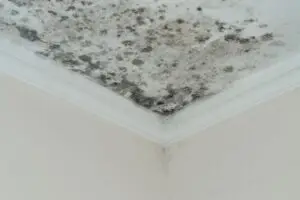
The practical takeaway: don’t ignore a musty smell, don’t assume dark spots on the ceiling are just stains, and don’t put off investigating suspected moisture intrusion. The longer mold grows, the more it costs to remediate and the longer household members are exposed.
Mold Prevention: What Jacksonville Homeowners Should Do
Prevention is significantly cheaper than remediation. Here’s what actually works in Florida’s climate.
Keep Indoor Humidity Below 60%
This is the single most important thing. Get a hygrometer (they’re inexpensive) and monitor indoor humidity in the main living areas and master bathroom. If you’re consistently above 60%, your HVAC system may not be removing moisture effectively. A standalone dehumidifier in problem areas can help, but if the HVAC is the issue, address the root cause.
Service Your HVAC System Every Six Months
In Jacksonville, twice-yearly HVAC service isn’t optional — it’s necessary. A clean system with a clear condensate drain, properly charged refrigerant, and clean coils removes moisture from the air effectively. A neglected system doesn’t. Check your condensate drain line every few months by pouring a cup of water into the drain pan. If it drains freely, you’re fine. If it backs up, clear it before it overflows.
Vent Bathroom Exhaust Fans to the Outside
Run your bathroom exhaust fan during every shower and for 20 minutes after. Make sure it’s actually vented to the exterior of the home, not just into the attic. This is a surprisingly common construction shortcut in older Jacksonville homes. If you’re not sure where your exhaust fan vents, check the attic. If you see a flex duct that dead-ends without going through the roof or soffit, that’s your problem.
Address Any Leaks Within 24 to 48 Hours
Mold can begin growing within 24 to 48 hours of a moisture event given the right conditions. A leaky pipe under the sink, a roof leak after a storm, or a failed appliance hose needs to be addressed the same day if possible, not next weekend. Dry out affected materials thoroughly. A wet drywall section that dries on the surface but stays wet behind it is still a mold risk.
Seal and Maintain Your Crawl Space
If your Jacksonville home has a crawl space, make sure it has an adequate vapor barrier covering the ground, proper cross-ventilation, and no standing water or excessive moisture. This is an out-of-sight area that homeowners routinely neglect. An annual check — even just a visual look with a flashlight — can catch developing problems before they become expensive ones.
Caulk Bathrooms and Windows Annually
Caulk around tubs, showers, and windows degrades faster in Florida’s heat and humidity than in cooler climates. A $5 tube of caulk applied once a year seals the gaps that would otherwise let moisture into wall cavities. It’s one of the highest-return maintenance tasks you can do.
Mold Remediation Costs in Jacksonville: What to Expect
If you find mold, understanding the cost landscape helps you make informed decisions rather than panic decisions.
Small surface mold in a bathroom — the kind on grout or caulk that hasn’t penetrated behind the tile — is often a DIY fix with the right cleaning products and proper protective equipment. That’s a $20 to $50 fix if you catch it early.
Attic mold affecting the roof decking is one of the most common remediation scenarios in Jacksonville. Depending on the extent, professional attic mold remediation typically runs $1,500 to $4,500. The wood is treated, the source of the moisture problem is corrected (usually a ventilation or roof issue), and the space is dried out.
Wall cavity mold from a slow leak or failed window seal involves opening the wall, removing affected drywall, treating the framing, and rebuilding. Expect $2,000 to $6,000 depending on how far the mold has spread and whether the subfloor or structural framing is involved.
Crawl space mold remediation involving significant coverage on floor joists and subfloor can run $3,000 to $8,000 or more, especially if the vapor barrier needs replacement and structural wood is affected.
Full-home remediation for widespread mold problems is significantly more expensive and disruptive. This is the scenario you’re avoiding by catching things early. A home health assessment that documents moisture risk and catches early growth is a much better investment than the alternative.
You can learn more about how our assessment process works on our home inspection services page, or review our membership plans on the pricing page if you want ongoing moisture monitoring as part of a managed home health plan.
Jacksonville-Specific Mold Risk by Home Type and Neighborhood
Where you live and when your home was built affects your mold risk profile.
Pre-1990 homes in Riverside, Avondale, San Marco, and Mandarin. Older construction, more deferred maintenance, higher likelihood of compromised vapor barriers and outdated ventilation. These homes deserve a thorough moisture assessment, especially if they haven’t been professionally evaluated in the last five years.
Coastal homes in Atlantic Beach, Neptune Beach, and Jacksonville Beach. Higher ambient humidity, more frequent wind-driven rain events, and salt air that degrades window seals and flashing faster. Coastal homeowners should inspect window and door seals annually and pay close attention to the exterior envelope after tropical storms.
Slab foundation homes throughout Southside and newer subdivisions. Slab foundations eliminate the crawl space moisture risk but introduce a different set of concerns. Plumbing runs under the slab, and slow slab leaks can go undetected for months. A sudden unexplained increase in your water bill is worth investigating as a potential slab leak before it creates moisture damage under flooring.
Vacation and investment properties in Jacksonville Beach and Ponte Vedra. Homes that sit vacant for extended periods without climate control running are particularly vulnerable. Mold can establish significantly in the weeks a property sits closed up in summer. If you own a property you visit infrequently, maintaining climate control and scheduling periodic check-ins is essential.
How HomeTrends Pro Monitors Moisture Risk in Your Home
Most homeowners discover mold by accident. They smell something in a closet. They notice a discolored spot on the ceiling after a rain. They find soft flooring in the bathroom during a renovation. By that point, the mold has been growing for a while.
Our approach is different. When we complete a home health assessment, we document baseline moisture readings throughout the home, note any areas of elevated risk, and flag anything that warrants follow-up. That baseline becomes the reference point for future assessments.
For Plus and Premium members, quarterly home tune-ups include moisture checks in the highest-risk areas — bathrooms, HVAC, attic, and any previously flagged locations. If something is trending in the wrong direction, we catch it before it becomes a remediation project.
Premium plan members also get thermal imaging as part of their deep quarterly inspection, which is particularly effective at catching hidden moisture behind walls and ceilings before visible mold growth appears.
If you want to know your home’s current moisture risk profile, start with a home health assessment. It’s the clearest picture you can get of where your home stands and what needs attention.
Frequently Asked Questions About Mold in Jacksonville Homes
How do I know if I have mold in my Jacksonville home?
The most obvious sign is visible growth — black, green, or white fuzzy patches on walls, ceilings, or around windows. But mold often grows where you can’t see it. A persistent musty smell that doesn’t go away with cleaning, unexplained allergy or respiratory symptoms that improve when you leave the home, and visible water staining without a known source are all reasons to investigate further.
Is mold common in Jacksonville homes?
Very. Florida consistently ranks among the states with the highest mold incidence in residential properties, and Jacksonville’s specific combination of humidity, heat, and storm frequency makes it particularly prone. Finding some level of mold or moisture concern in a Jacksonville home assessment is more common than not finding it.
Can I remove mold myself?
Small surface mold on non-porous surfaces like tile or glass can often be cleaned safely with appropriate products and protective equipment. The EPA generally suggests professional remediation for any affected area larger than about 10 square feet, or for any mold inside HVAC systems, inside wall cavities, or in the attic. DIY remediation of larger areas can disturb spores and spread the problem.
What does mold remediation cost in Jacksonville?
It varies significantly based on location and extent. Small bathroom surface mold might cost nothing beyond your own time and cleaning supplies. Attic mold remediation typically runs $1,500 to $4,500. Wall cavity or crawl space remediation generally runs $2,000 to $8,000. Widespread whole-home issues are more expensive. Catching problems early is always significantly cheaper than addressing established growth.
Does homeowner’s insurance cover mold in Jacksonville?
Usually only if the mold resulted from a covered sudden event like a burst pipe or storm damage. Mold from long-term moisture intrusion, maintenance neglect, or gradual leaks is typically excluded. Florida insurance policies vary, so check your specific policy. Documenting your home’s condition proactively can help establish a timeline if you do need to file a claim.
What humidity level should I keep my Jacksonville home at?
Below 60% is the target. Ideally 45 to 55% is the sweet spot — comfortable for occupants and inhospitable to mold growth. Get a hygrometer and check it periodically. If you’re consistently above 60%, something in your home’s moisture control needs attention, whether that’s the HVAC system, ventilation, or a specific moisture source.
How quickly can mold grow after water damage?
Mold can begin growing within 24 to 48 hours of a moisture event under the right conditions. In Jacksonville’s temperatures and baseline humidity, conditions are often right. This is why water intrusion events need to be addressed and dried out quickly, not left until it’s convenient to deal with.
Is black mold more dangerous than other mold types?
The term “black mold” usually refers to Stachybotrys chartarum, which does produce mycotoxins and is a legitimate health concern. But it’s worth knowing that many mold species appear dark or black, and not all black-colored mold is Stachybotrys. Other common species like Cladosporium and Aspergillus are also health concerns at elevated concentrations. Don’t assume dark mold is automatically the most dangerous variety, and don’t assume lighter-colored mold is safe. Testing identifies the species accurately.
Should I get a mold inspection before buying a home in Jacksonville?
Strongly recommended. A standard home inspection covers a lot of ground but often doesn’t go deep on moisture risk or hidden mold. For a Jacksonville home purchase, requesting a thorough moisture assessment in addition to a standard inspection is a reasonable ask, especially for homes built before 2000 or in coastal areas. The cost of an inspection is minimal compared to discovering a remediation need after closing.
How do I keep mold out of my Jacksonville home long term?
Consistent humidity control is the foundation. Keep indoor humidity below 60%, service your HVAC twice yearly, address any leaks or moisture intrusion within 24 to 48 hours, ventilate bathrooms properly, and have a professional assess your home’s moisture risk every two to three years. In Jacksonville’s climate, staying ahead of moisture is an ongoing practice, not a one-time fix.
Don’t Wait Until You Can Smell It
Mold doesn’t announce itself. It grows quietly in the attic, behind the bathroom wall, and under the bathroom floor while everything looks fine from the outside. In Jacksonville’s climate, the question isn’t really whether your home has moisture risk — it’s whether you know about it and are managing it.
A home health assessment gives you a documented baseline of your home’s moisture condition across all the high-risk areas. We use moisture meters, visual inspection, and thermal imaging where indicated to find what a casual look misses. You get a written report, your Home Health Score, and a clear picture of what needs attention.
Call us at (904) 441-1777 or book a free consultation online. We serve Jacksonville and surrounding areas including Atlantic Beach, Neptune Beach, Ponte Vedra, Riverside, San Marco, Mandarin, Southside, and more.