Most home maintenance calendars are written for four-season climates. Change your furnace filter in October. Check your heating system before winter. Winterize your pipes in November. None of that maps well to Jacksonville, where winter lasts about six weeks, the AC runs ten months a year, and hurricane season is the real scheduling anchor for the whole year.
This guide is built specifically for Northeast Florida homeowners. The tasks, the timing, and the reasoning behind each one are based on Jacksonville’s actual climate — the humidity, the storm season, the summer heat, and the quirks of coastal living. Whether your home is in Riverside, Atlantic Beach, Mandarin, Ponte Vedra, or anywhere in between, this calendar gives you a realistic picture of what your home needs and when.
We’ve organized it month by month. Some months are heavier than others. May and June are genuinely busy because you’re preparing for hurricane season and getting the AC ready for its hardest months. December and January are lighter. That’s the rhythm of home ownership in Jacksonville, and this calendar reflects it.
Save this page. Bookmark it. Come back to it each month. The homeowners who stay on top of this list avoid the expensive emergency repairs that catch others off guard.
January: Start the Year With a Clear Picture
January is Jacksonville’s version of winter. Temperatures occasionally dip into the 30s, but it rarely lasts. This is a light maintenance month — a good time to catch up on anything deferred from the fall and set yourself up for the busy spring ahead.
HVAC System Check
Your air conditioning system has been running hard since April of last year. January is a good time to replace the air filter if you haven’t done so recently. Standard 1-inch filters should be replaced every 30 to 60 days in Jacksonville given the year-round runtime. Check that the condensate drain line is clear — pour a cup of water into the drain pan and confirm it drains freely.
Check Weatherstripping and Door Seals
Cold fronts in January can be genuinely cold for a few days at a time. Check the weatherstripping on exterior doors and the seals around windows. Gaps here let cold air in during winter and conditioned air out during summer — both cost you money. Replacing weatherstripping is a simple DIY task that pays for itself quickly in energy savings.
Test Smoke and Carbon Monoxide Detectors
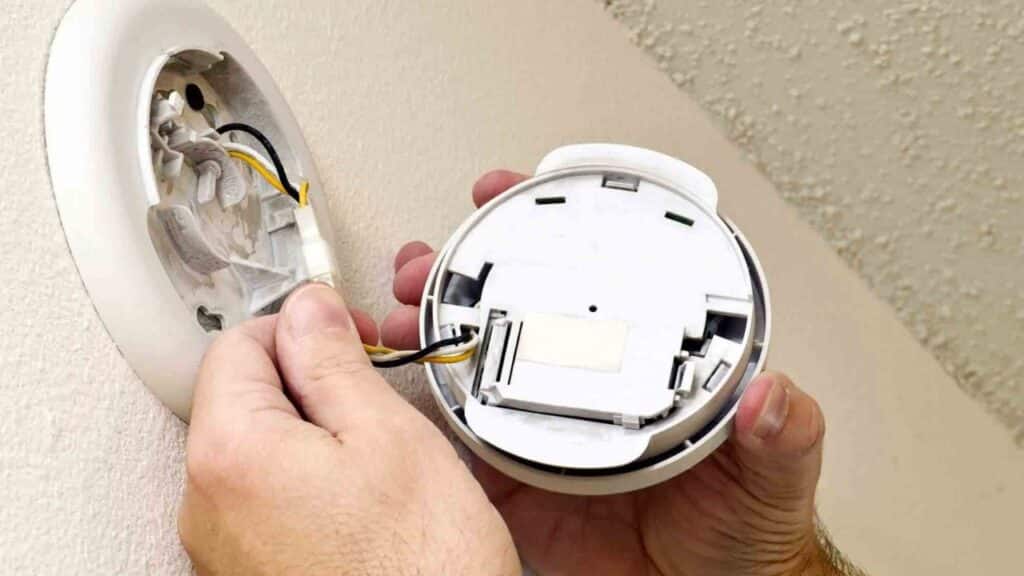
Test every detector in the home. Replace batteries in any unit that’s battery-operated. If any detector is more than ten years old, replace the unit entirely. This takes fifteen minutes and matters enormously.
Review Your Home Insurance Policy
January is a good time to review your homeowner’s insurance coverage before hurricane season planning begins in the spring. Check your wind and flood coverage specifically. Florida’s insurance market has changed significantly in recent years, and many homeowners discover gaps in coverage only when they need to file a claim.
Clean Dryer Vent
Lint buildup in dryer vents is a leading cause of house fires. Disconnect the vent duct from the back of the dryer and clean it thoroughly. If the duct run is long or has bends, consider a professional dryer vent cleaning service. This is a once-a-year task that most homeowners skip.
February: Exterior Inspection Before Spring
February in Jacksonville is genuinely pleasant. Mild temperatures make this an ideal month for exterior work before the heat and humidity of spring arrive. Use the good weather to your advantage.
Walk the Exterior of Your Home
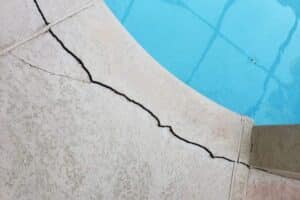
Do a deliberate walk around the full exterior. Look at the foundation for cracks or settlement. Check where the siding or stucco meets the foundation for gaps that could let moisture or pests in. Look at the soffit and fascia for rot, paint peeling, or holes that birds or squirrels could use as entry points.
Inspect the Roof From the Ground
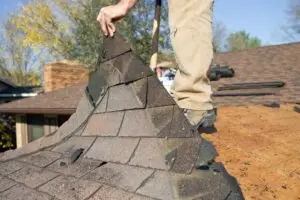
Use binoculars if needed. Look for missing or lifted shingles, dark streaking from algae, and debris accumulation at valleys and gutters. You’re not diagnosing from the ground, but you’re identifying anything that warrants a closer professional look before storm season.
Clean and Inspect Gutters
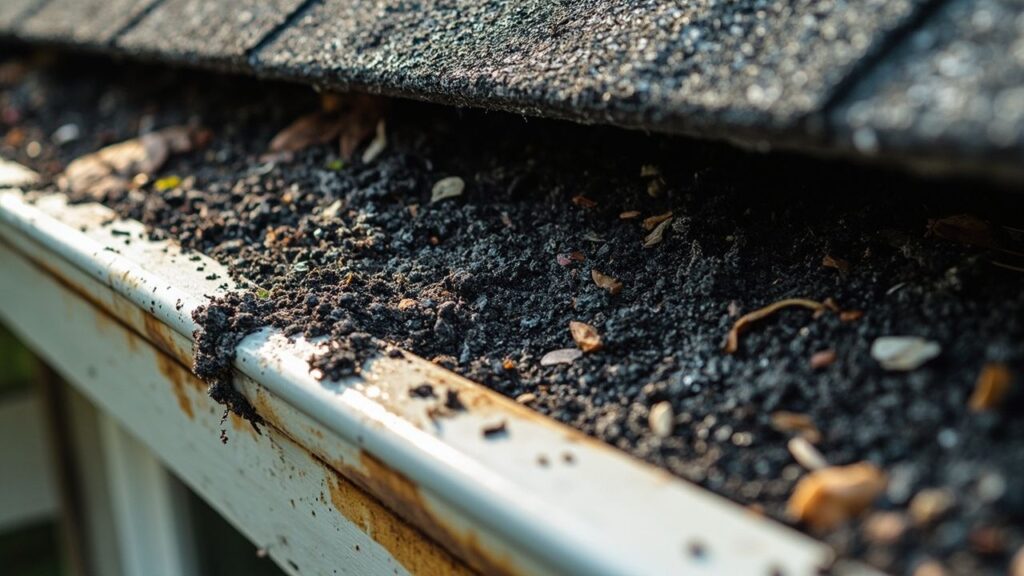
Jacksonville’s oak trees drop significant debris through the winter. Clean gutters and downspouts thoroughly in February. Check that downspouts are directing water at least four to six feet away from the foundation. Confirm gutters are properly pitched toward downspouts and aren’t sagging or pulling away from the fascia.
Check Irrigation System
Before the dry spring months arrive, run your irrigation system through a full cycle and check each zone. Look for broken heads, misdirected spray, and zones that aren’t activating. Water from irrigation systems that spray against the foundation or siding creates moisture problems over time.
Service Lawn Equipment
Mowing season is about to ramp up significantly. Change the oil and sharpen the blade on your mower. Check the spark plug. A well-maintained mower handles Jacksonville’s aggressive grass growth better and lasts significantly longer.
March: Get Ahead of Spring
Spring arrives fast in Jacksonville. By mid-March the heat is building, the humidity is rising, and the grass is growing. This month is about transitioning your home from its mildest season to its most demanding one.
Schedule Your HVAC Pre-Season Service
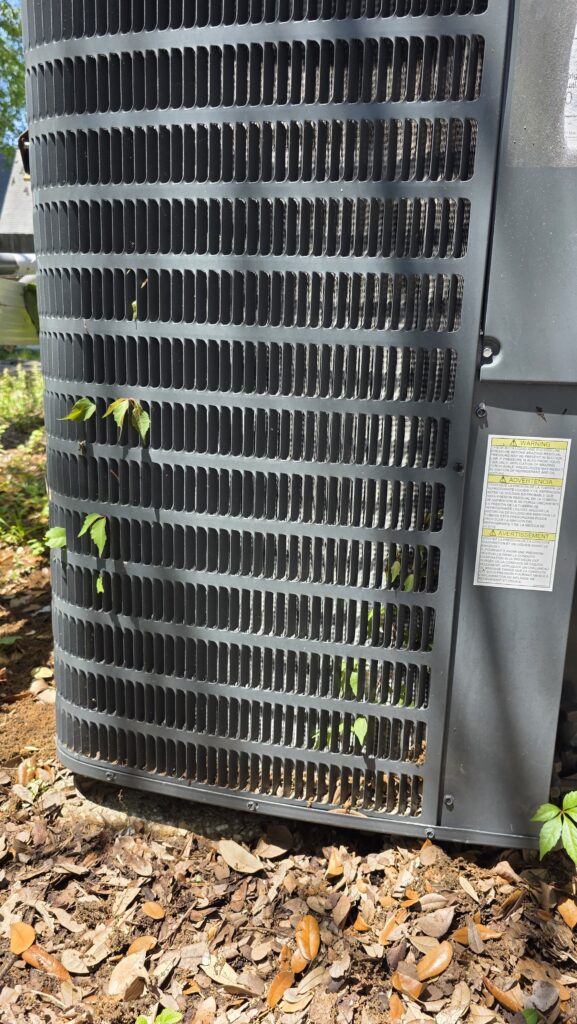
This is the most important thing on the March list. Before the heat arrives in earnest, have your air conditioning system professionally serviced. Clean coils, clear condensate drain, check refrigerant levels, inspect electrical connections, and verify airflow. An HVAC system that fails in July in Jacksonville is an emergency. A service call in March is a scheduled appointment. The difference in cost and stress is significant.
HomeTrends Pro members on Plus and Premium plans have vendor coordination included — we schedule this for you and confirm the work is done correctly. Learn more about how that works on our home maintenance services page.
Check Attic Ventilation
An overheated attic in Jacksonville summer can reach 150 degrees or more. That heat accelerates shingle deterioration from below and raises cooling costs significantly. In March, go into the attic and confirm that soffit vents are not blocked by insulation and that ridge vents or gable vents are clear. Proper airflow through the attic is one of the most cost-effective things you can do for both roof lifespan and energy efficiency.
Inspect Window and Door Seals
Check caulking around all exterior windows and doors. Caulk in Florida degrades faster than in cooler climates due to heat expansion and UV exposure. Any cracked, shrinking, or missing caulk should be replaced before the rainy season begins. This is a half-day DIY project with meaningful impact on both moisture intrusion prevention and energy costs.
Pest Prevention Check
Spring is when ant colonies, termites, and other pests become active in Jacksonville. Check the perimeter of the home for termite mud tubes along the foundation. Look for ant trails near the foundation. If you’re on an annual pest control program, confirm your spring treatment is scheduled.
April: Hurricane Season Preparation Begins
Hurricane season officially starts June 1st. But experienced Jacksonville homeowners start preparing in April. By June, the good contractors are booked, storm shutters are backordered, and generators are sold out. April gives you the runway to handle this properly.
Professional Roof Inspection
Any existing weak point on your roof becomes a liability when a tropical storm arrives. April is the right time for a professional roof inspection — not October after something has already gone wrong. Have a professional check flashing integrity, shingle condition, ridge cap, and all penetrations. Address anything flagged before storm season.
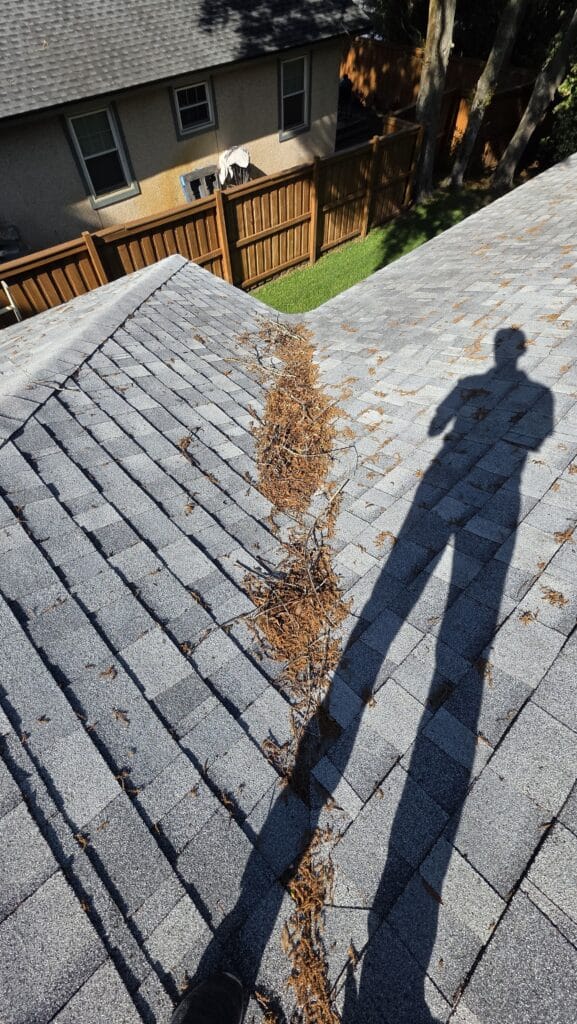
Our home health assessment covers the roof as part of a full system inspection and gives you documented condition notes you can reference if you need to file an insurance claim later.
Test and Service Whole-Home Generator (If You Have One)
Run your generator under load for at least 30 minutes. Change the oil if it’s been more than a year. Check the fuel supply and stabilizer. If you’ve been thinking about adding a generator and haven’t yet, April is the time to get quotes — not August.
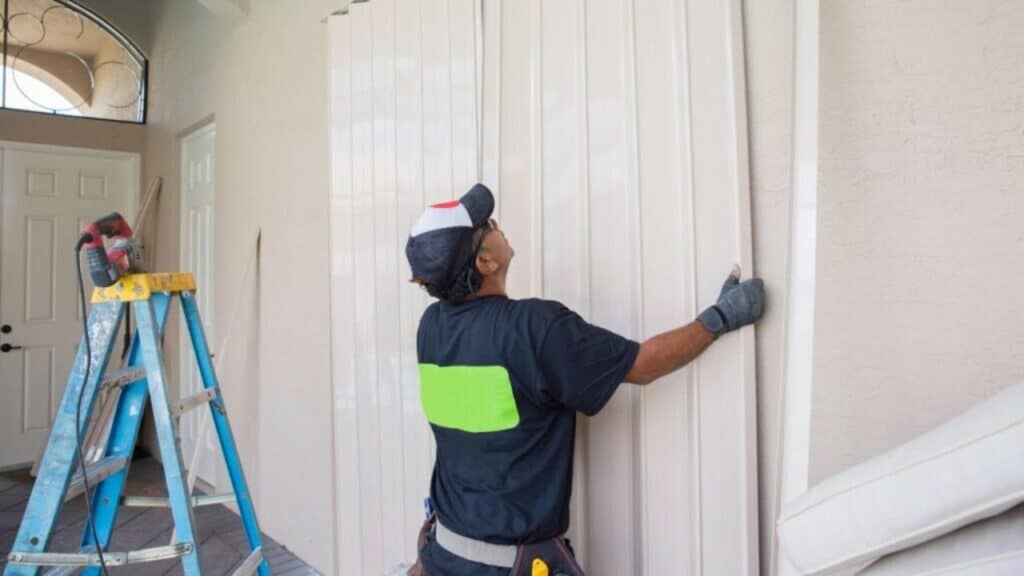
Inventory and Inspect Storm Shutters or Hurricane Fabric
Pull out your storm shutters or hurricane fabric and inspect them. Check that all panels are accounted for, hardware is not corroded, and you know which panel goes on which opening. Practice installing one or two panels now, not at 10pm when a storm is 48 hours out.
Check Garage Door Wind Rating
Garage doors are one of the most vulnerable points in a home during high winds. Florida building codes require wind-rated doors in new construction, but older homes often have doors that don’t meet current standards. Check your door’s wind rating and consider a bracing kit or replacement if it doesn’t meet the minimum for your zone.
Trim Trees and Shrubs
Overhanging branches and dense shrubs against the home create two problems: storm projectile risk and moisture/pest habitat. April is the right time to have significant tree work done before storm season. Address anything that could become airborne in 60 mph winds.
May: Final Storm Season Prep
The last month before hurricane season. Use it well.
Replace HVAC Air Filter
Your system is about to enter its hardest stretch of the year — June through September in Jacksonville is relentless. Start that period with a fresh filter. If you have pets or anyone in the household with allergies, consider a higher MERV rating filter for better air quality during the months the system runs almost continuously.
Assemble or Update Your Hurricane Supply Kit
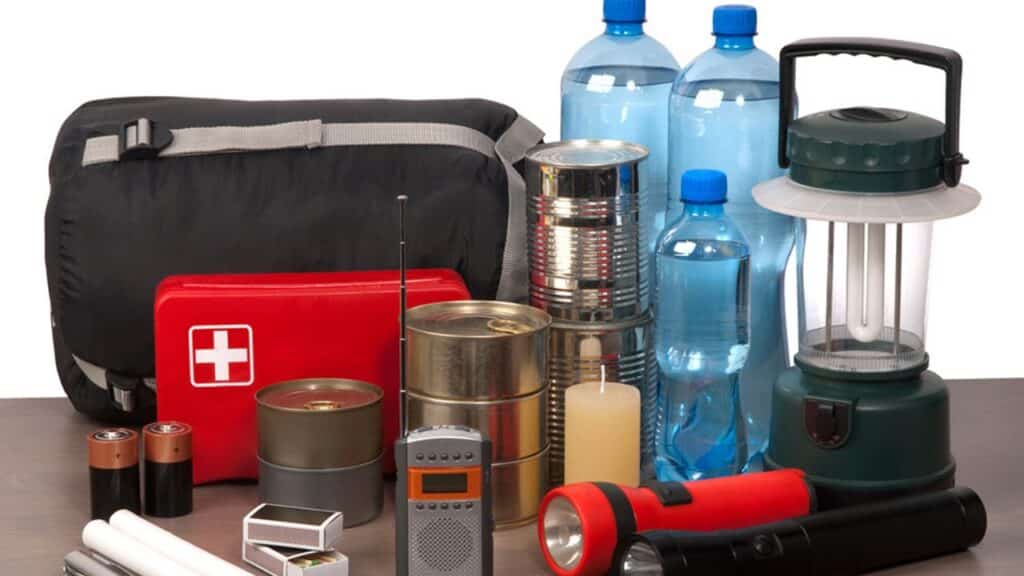
Seven days of water (one gallon per person per day), non-perishable food, medications, important documents in a waterproof container, phone chargers, cash, and a first aid kit. Check expiration dates on anything from last year’s kit. This is a one-hour task that you’ll be very glad you did.
Document Your Home’s Contents for Insurance
Walk through every room with your phone and video your belongings. Open closets, cabinets, and storage areas. Save the video to cloud storage so it’s accessible if the home is damaged. This documentation is invaluable for insurance claims and takes less than an hour.
Check Sump Pump (If Applicable)
Some Jacksonville homes in lower-lying areas have sump pumps. Test yours by pouring water into the pit and confirming it activates and drains properly. Check the discharge line to confirm it’s clear and directing water away from the foundation.
Clean and Inspect Outdoor Drainage
Clear any debris from yard drains, French drains, and swales. Jacksonville’s intense summer rain events can dump several inches of water in an hour. Drainage that’s partially blocked becomes a flooding problem fast. Make sure water has a clear path away from the home.
June: Storm Season Is Here
June 1st marks the official start of Atlantic hurricane season. Your preparation should be complete by now. June’s maintenance focus shifts to monitoring and keeping up with the basics during the busy season.
Monitor Your HVAC System Closely
The system is running hard. Check that it’s cooling effectively and that humidity levels inside the home are staying below 60%. If the system is struggling to maintain temperature or if indoor humidity is climbing, call for service before a minor issue becomes a breakdown in July.
Inspect After Every Significant Storm
After any storm with meaningful wind or rain, do a quick check: walk the exterior, look at the roof from the ground, check the attic for any signs of moisture intrusion, and confirm gutters and downspouts are clear. Document anything that looks different from before the storm with photos.
Keep Gutters Clear Through Storm Season
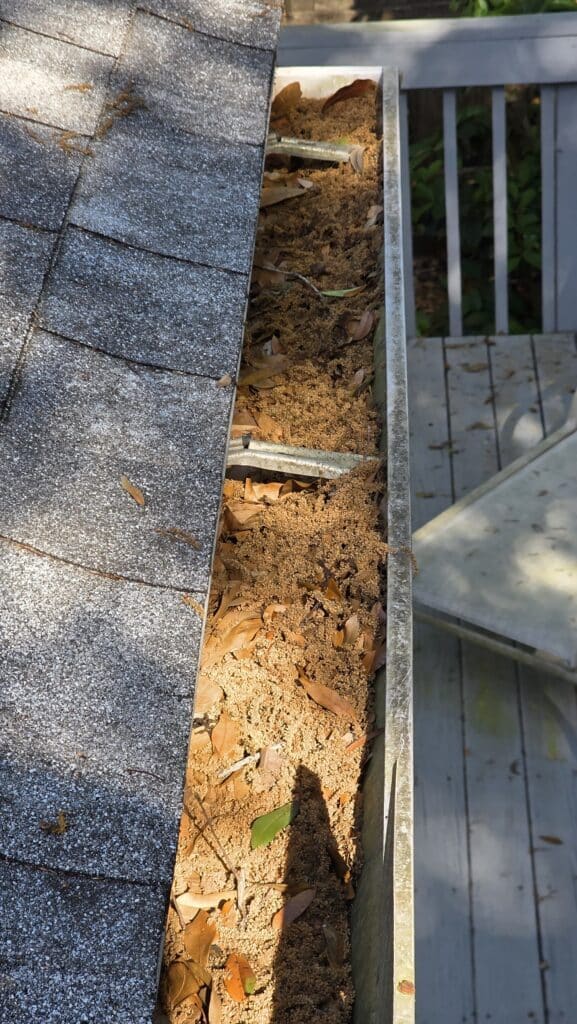
Summer storms deposit significant debris. Check gutters monthly from June through October. A clogged gutter during a heavy rain event causes water to overflow and run down the exterior wall — the last thing you want during the most moisture-intensive months of the year.
Check for Pest Activity
Summer heat drives pests indoors. Inspect around the foundation, utility penetrations, and the garage for ant trails, roach activity, and any signs of rodent entry. Address any gaps or cracks in the exterior that could serve as entry points.
July and August: Peak Heat, Minimal New Tasks
These are the most demanding months for your home’s systems, but the maintenance list is short. The preparation is done. Your job now is to monitor and respond quickly if anything shows signs of trouble.
Replace HVAC Filter Mid-Summer
With the system running almost continuously, filters load up faster in July and August than any other time of year. Replace the filter at the six to eight week mark regardless of what it looks like. A loaded filter makes the system work harder and removes moisture less effectively.
Watch for Signs of HVAC Strain
Unusual sounds, ice forming on the refrigerant lines, water overflowing from the condensate pan, or the system running continuously without reaching the set temperature — any of these warrant a service call. Don’t wait to see if it gets better on its own during Jacksonville’s hottest months.
Check Attic Temperature
If you have attic access, check the temperature on a hot afternoon. An attic with good ventilation will still be hot, but it shouldn’t be dramatically hotter than outdoor temperature. Significantly elevated attic temperatures (160 degrees or more) indicate inadequate ventilation that’s affecting both roof lifespan and cooling costs.
Storm Watch Readiness
August is statistically one of the most active months of hurricane season. Know your evacuation zone, have your supplies current, and have a plan for your family and your pets. The time to make those decisions is not when a storm is 72 hours out.
September and October: Storm Season Wind-Down, Fall Prep Begins
The peak of hurricane season passes in mid-October, though the season technically runs through November 30th. September and October are transition months — stay storm-ready while beginning to shift focus to fall maintenance.
Schedule Post-Storm Season Roof Inspection
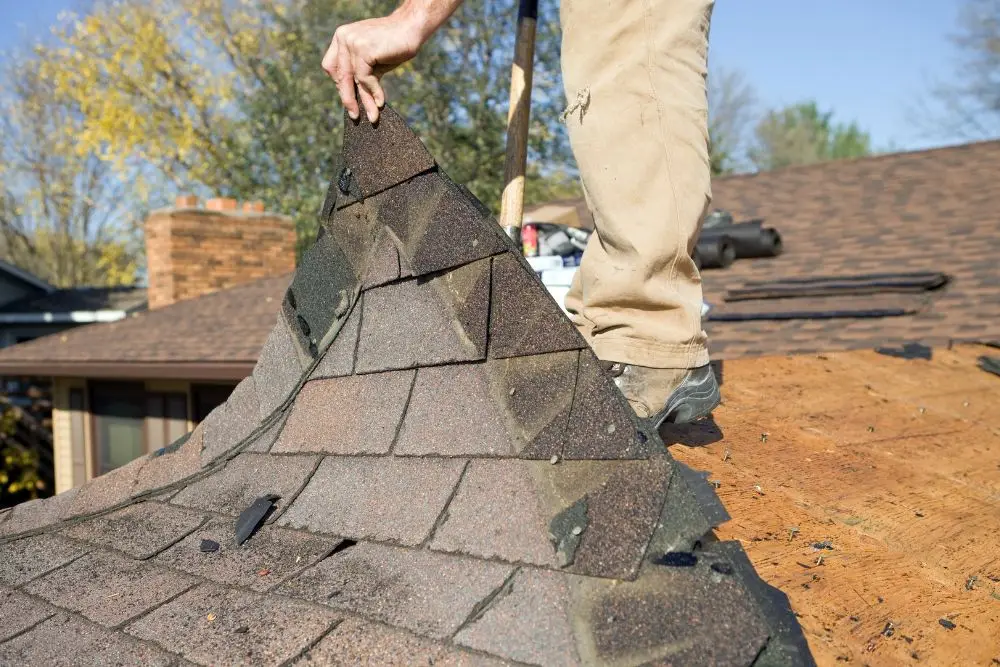
Even if you had no visible storm damage, October is a good time for a professional roof check after the season. Wind events that don’t cause obvious damage sometimes lift shingles slightly or stress flashing in ways that aren’t visible from the ground but will show up as leaks during the next significant rain.
HVAC Filter Replacement
Replace the filter as the heavy cooling season winds down. Your system has worked hard for five months. A clean filter going into the milder fall months helps it recover and sets it up for the occasional cold snap ahead.
Check Exterior Caulking and Paint
The summer’s heat and UV exposure takes a toll on exterior caulking and paint. October’s milder temperatures make it ideal for caulking work and any exterior painting. Address any cracked or missing caulk around windows, doors, and where different materials meet on the exterior.
Clean Gutters (Post-Storm Season)
A thorough gutter cleaning in October clears out the season’s accumulated debris. This is one of the more important gutter cleanings of the year — you want clear gutters going into the fall rainy periods and before the oak trees begin dropping significant leaf load.
November: Deep Clean and System Checks
The weather turns genuinely pleasant in November. Humidity drops, temperatures become comfortable, and Jacksonville homeowners can finally be outside without suffering. Use it productively.
Clean Gutters Again (Oak Leaf Drop)
Jacksonville’s live oaks and water oaks drop significant leaf volume in November. This is the gutter cleaning that matters most for preventing winter moisture issues. Clean and confirm proper drainage.
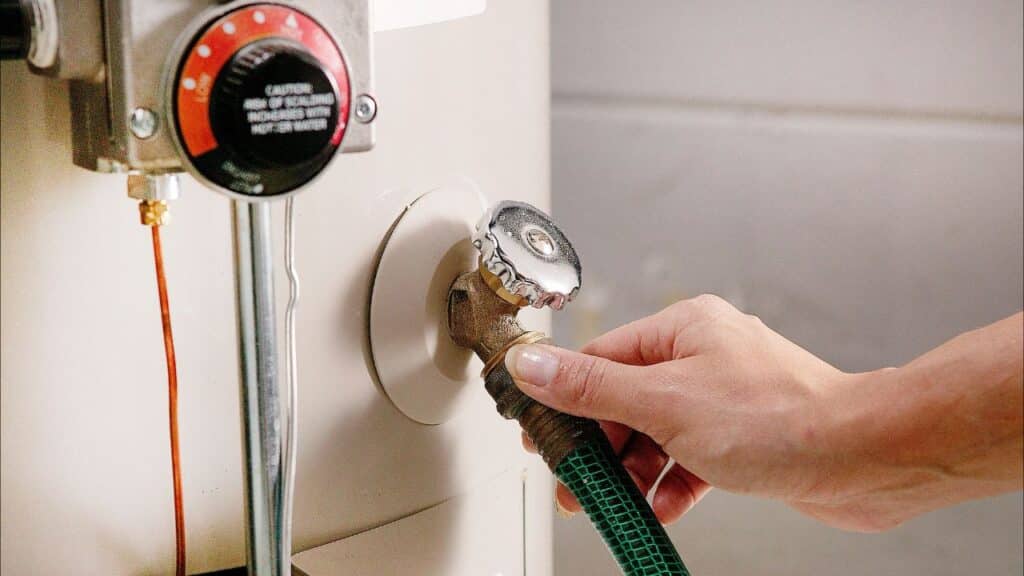
Check and Service Water Heater
Flush sediment from the water heater tank annually. Check the anode rod and the pressure relief valve. Water heaters in Jacksonville typically last 8 to 12 years. If yours is approaching that range, start budgeting for replacement rather than waiting for a failure.
Inspect Chimney (If Applicable)
Jacksonville homes with wood-burning fireplaces or gas fireplace inserts should have the chimney inspected and cleaned annually before use. Even if you only use the fireplace a handful of times, a blocked or deteriorating chimney is a fire and carbon monoxide risk.
Test Heating System
Run your heating system for a full cycle before you actually need it. Confirm it heats to the set temperature and that there are no unusual smells (a burning smell on first use of the season is common from dust on the elements and usually clears quickly, but a persistent smell warrants inspection).
Store Outdoor Furniture and Equipment
While Jacksonville doesn’t get hard winters, UV exposure and occasional cold snaps affect outdoor furniture. Storing cushions and covering or bringing in furniture extends its life significantly.
December: Year-End Review and Holiday Safety
December is Jacksonville’s lightest maintenance month. The weather is mild, the systems are in a recovery period after summer, and the focus is appropriately on the holidays. Use the month for a few key tasks and an honest year-end assessment.
Test Smoke and Carbon Monoxide Detectors
Do this again. Holiday cooking, space heaters, fireplaces, and Christmas tree lights all increase fire and CO risk in December. Make sure every detector in the home is working.
Check Holiday Lighting Safely
Inspect strings of lights for frayed cords or damaged sockets before hanging them. Use outdoor-rated lights for exterior use. Don’t overload circuits. Don’t leave tree lights on overnight or when leaving the home. This is basic but worth saying.
Year-End Home Condition Assessment
Honestly, December is a good time to reflect on your home’s year. What did you address? What got deferred? What surprised you? If you don’t have a digital home logbook tracking repairs, maintenance, and system ages, starting one in January is a worthwhile resolution. Knowing your home’s history saves you money when it comes time to make decisions about repair versus replacement.
Schedule January HVAC Service Early
Good HVAC contractors book up fast in spring. If you want a March service appointment, call in December or January to get on the schedule. Don’t wait until April when everyone else is calling at the same time.
The Tasks That Happen Every Month in Jacksonville
Beyond the monthly specifics, a few tasks belong on every month’s list in Jacksonville’s climate.
HVAC filter check. In Florida’s year-round runtime environment, filters load faster than the national average guidance suggests. Check monthly, replace every 30 to 60 days minimum.
Visual exterior check after storms. Any storm with significant wind or rain deserves a quick walk-around. Don’t wait until you see a ceiling stain to investigate.
Monitor indoor humidity. Keep a hygrometer visible in the main living area. Consistent readings above 60% mean something needs attention in your moisture control system.
Check under sinks monthly. Slow plumbing drips are easy to miss until they’ve been dripping for months. A quick look under kitchen and bathroom sinks takes 30 seconds and catches developing problems early.
How HomeTrends Pro Keeps You on Schedule
Here’s the honest reality: most homeowners intend to stay on top of home maintenance, and most of them fall behind. Not because they don’t care. Because life is busy, the tasks aren’t visible until something breaks, and there’s no system keeping track of what’s due when.
That’s exactly what we solve. HomeTrends Pro members get automated maintenance reminders calibrated to Jacksonville’s specific seasonal schedule. Your home’s maintenance calendar is built around your actual home — its age, its systems, its specific risk factors — not a generic national template.
Plus and Premium members get quarterly home tune-ups where we physically check the high-priority items and document condition in your digital home logbook. If something is trending toward a problem, we flag it before it becomes a repair. And when you need a vendor, we coordinate it — you approve the work, we handle the scheduling and follow-up.
If you want to see how it works in practice, start with a home health assessment. We establish a baseline for every major system, give you your Home Health Score, and build a 12-month maintenance plan specific to your home. Or review our membership plans to see which level fits your situation.
Frequently Asked Questions About Jacksonville Home Maintenance
How often should I service my HVAC in Jacksonville?
Twice a year — spring and fall — is the standard recommendation for Jacksonville’s climate. Spring service before the heavy cooling season is the most critical. Fall service is a good practice to check the system after its hardest months and confirm heating function before the occasional cold snap. Given that AC systems in Jacksonville run 10 or more months per year, they accumulate wear significantly faster than in cooler climates.
When should I start preparing for hurricane season in Jacksonville?
April is the right time to start. Hurricane season officially begins June 1st, but the contractors, generators, and storm supplies you need are much easier to access in April than in May or June when everyone is preparing at once. Roof repairs especially need lead time — good roofing contractors book up fast before storm season.
How often should I clean my gutters in Jacksonville?
At minimum three times per year: spring before storm season, post-storm season in October, and mid-to-late November after the oak leaf drop. Homes with heavy tree coverage may need more frequent cleaning. Clogged gutters in Jacksonville’s heavy rain environment cause fascia rot and foundation moisture issues faster than in drier climates.
What home maintenance tasks are unique to Jacksonville compared to other cities?
Several things stand out. HVAC maintenance is more critical and more frequent here because of the extended runtime. Hurricane preparation is a genuine annual responsibility, not something you can treat as optional. Mold and moisture management is an ongoing concern given the humidity. Roof maintenance is more frequent because of UV, heat, and storm exposure. And pest prevention is a year-round activity rather than a seasonal one.
How do I know if my home needs a professional inspection versus DIY maintenance?
A good rule of thumb: if the task involves getting on the roof, working inside the electrical panel, going into a crawl space, or assessing something you can’t clearly see, bring in a professional. DIY maintenance is appropriate for filter replacements, gutter cleaning with a stable ladder, visual checks, caulking, and basic weatherstripping. When in doubt, a professional assessment gives you documented information rather than a guess.
What’s the most expensive home maintenance mistake Jacksonville homeowners make?
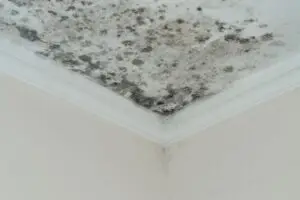
Deferring HVAC maintenance. An aging, poorly maintained AC system in Jacksonville doesn’t just fail — it fails in July or August when it’s been running continuously for weeks and the heat is brutal. Emergency HVAC service and replacement costs significantly more than scheduled maintenance. Beyond that, deferred roof maintenance is a close second. Small flashing issues and minor shingle problems that could be fixed for a few hundred dollars turn into water damage and mold remediation jobs when ignored.
Does Jacksonville’s climate shorten the lifespan of home systems?
Yes, across the board. HVAC systems typically last 12 to 15 years in Jacksonville versus 15 to 20 years in cooler climates, given the extended annual runtime. Roofs last 15 to 20% shorter lifespans than national averages due to UV, heat, and storm exposure. Exterior paint and caulking need attention more frequently. Plumbing fixtures and water heaters aren’t dramatically affected, but the high mineral content in some Jacksonville water sources affects water heaters over time. Plan your replacement budgeting accordingly.
How much should I budget for annual home maintenance in Jacksonville?
A commonly cited guideline is 1 to 2% of the home’s value per year for maintenance. In Jacksonville’s climate, the upper end of that range is more realistic, especially for older homes. A $350,000 home should have roughly $3,500 to $7,000 budgeted annually for maintenance. That sounds like a lot until you compare it to a single emergency repair — an HVAC replacement runs $5,000 to $12,000, a roof replacement runs $8,000 to $18,000. Consistent maintenance spending prevents the large emergency expenditures.
Should I get a home inspection even if I’m not selling my home?
Absolutely. A professional home assessment gives you a documented baseline of every major system — condition, approximate age, and anything that needs attention. Most homeowners have no formal record of their home’s condition. That documentation matters for insurance claims, for making informed repair versus replace decisions, and for understanding what’s actually going on in your home. We’d suggest a professional assessment every three to five years minimum, more frequently for older homes.
What’s the best way to stay on top of home maintenance without letting it become overwhelming?
Break it into monthly tasks rather than trying to tackle everything at once. Use a calendar — digital or paper — with reminders for the tasks in each month. Keep a home logbook documenting what’s been done, when, and by whom. If the coordination and tracking is genuinely overwhelming, that’s exactly what a home health management service is designed to solve. You focus on approving the work; someone else manages the schedule and follow-through.
A Well-Maintained Home Doesn’t Happen by Accident
The homeowners who avoid expensive emergency repairs aren’t lucky. They’re on a schedule. They know what their home needs each month and they stay ahead of it. The calendar above gives you that schedule built specifically for Jacksonville’s climate.
If you want help implementing it — reminders, vendor coordination, quarterly check-ins, and a digital logbook that keeps everything in one place — that’s what HomeTrends Pro is built to do. We handle the coordination so you can approve the work without managing every detail yourself.
Start with a free consultation or a home health assessment to see where your home stands today. Call us at (904) 441-1777 or book online. We serve Jacksonville and surrounding areas including Atlantic Beach, Neptune Beach, Ponte Vedra, Riverside, San Marco, Mandarin, Southside, Arlington, and more.